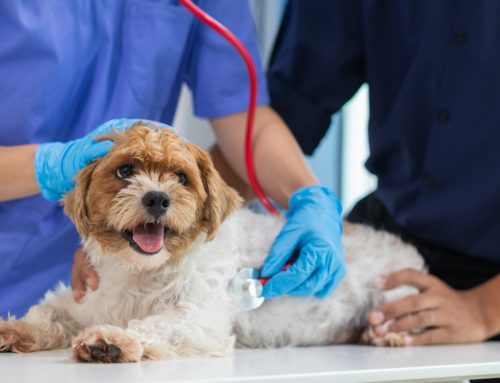
Senior screening catches kidney, heart, and thyroid disease, along with high blood pressure, in the months or years before anything shows on the outside. The decision point usually arrives at an ordinary checkup, when your senior dog or cat seems perfectly healthy and we recommend lab work, a blood pressure reading, and X-rays anyway. Caught that early, most of these are handled at home and your pet keeps feeling like themselves: a diet change for the kidneys, medication to bring the pressure down, or a pill for a dysfunctional thyroid. Found after the signs show up, the same problems often mean hospitalization and a much shorter list of options.
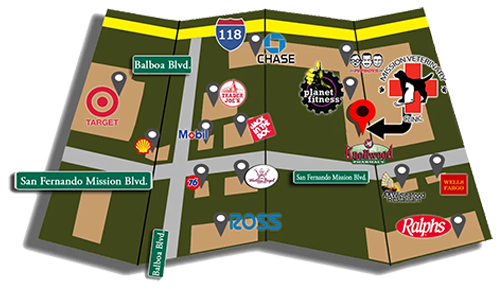
Mission Veterinary Clinic in Granada Hills sees both ends of senior disease. We care for dogs and cats whose kidney or heart trouble has already become an emergency, and we would far rather find the same condition as an odd number on a chart while your pet is still comfortable at home. Our AAHA-accredited hospital has the laboratory testing, digital X-rays, and ultrasound behind that early picture, and we walk you through what the results mean for the years ahead. If your dog or cat is seven or older, get your senior pet in for a checkup and we will tell you where they stand.
What Senior Screening Finds Before You Do
- Most dogs and cats are senior by about seven, giant breeds sooner, and that's the age to start screening.
- Early heart disease, failing kidneys, a thyroid running too fast or too slow, and high blood pressure all progress without obvious outward signs, so lab work, a pressure reading, and X-rays find them first.
- Comparing this year's numbers to last year's catches disease even when every individual value still sits inside the normal range.
- Found early, most of these conditions are managed with a diet change, a daily medication, or a recheck schedule rather than a hospital stay.
What Conditions Is Senior Screening Looking For?
Most of what a senior workup finds comes from a short list of age-related conditions: kidney disease, thyroid disease, high blood pressure, heart disease, liver disease, cancer, arthritis, and dental infection. Each one can run for months without a sign you'd spot at home, and each one stays manageable the longest when we find it early.
When the Thyroid Runs Too Fast or Too Slow
Weight gain on the same amount of food, a dull coat, skin infections that keep returning, and a dog who sleeps through things they used to enjoy all look like ordinary aging. In a dog, they can also point toward hypothyroidism. A once-daily thyroid pill corrects it, and many dogs feel like themselves again within a couple of months.
Cats more often have the opposite problem. Hyperthyroidism speeds the entire body up, burning through weight despite a bottomless appetite and dragging the heart rate and blood pressure up with it. It can be controlled with daily medication or a prescription diet, or resolved permanently with a single radioactive iodine treatment.
Chronic Kidney Disease
Most pets show no outward sign of chronic kidney disease until roughly two thirds of kidney function is already gone. Catching it on a screening panel instead leaves room for the diet changes, blood pressure control, and fluid support that buy good years, with rechecks that tell us whether the plan is holding.
Leaky Valves and Thickened Heart Muscle
In small and medium breed dogs, mitral valve disease accounts for most heart disease. It begins as a slow leak at one valve and a quiet murmur, and it stays manageable for years when medication starts early. Large breed dogs more often develop a stretched, weakened heart muscle, called dilated cardiomyopathy. Cats develop a thickened one, called hypertrophic cardiomyopathy, which often causes no murmur at all. Medication keeps many pets comfortable for a long stretch after diagnosis.
New Lumps and Masses
Age is the biggest risk factor for cancer in pets. The cases that do best are the ones found as a small, mobile lump on a routine exam rather than in a sick pet arriving at an emergency visit. Any new growth on an older dog or cat needs to be tested rather than measured and watched, and plenty turn out to be benign fatty masses. Golden Retrievers, Boxers, and Bernese Mountain Dogs carry higher risk for certain cancers, so a new bump on one of them needs testing sooner.
Rising Liver Enzymes
Liver enzymes on a chemistry panel often climb months before anything is visible at home. When signs do appear they're vague: a smaller appetite, occasional vomiting, slow weight loss, sometimes a yellow tint to the gums or the whites of the eyes. Treatment depends on the cause, and many older pets do well on a liver-friendly diet, supportive medication, and repeat labs to follow the trend.
Arthritis in Older Dogs and Cats
Arthritis isn't only a big-dog problem. Plenty of senior cats have arthritic joints and never limp at all; they stop jumping to the counter and pick a lower place to sleep. Diagnosis comes from a hands-on exam, X-rays of the joint, and watching how your pet moves, so bring a video of them getting up off the floor at home. Management combines weight control, traction on slick floors, joint supplements, and prescription pain relief such as gabapentin or a monthly injection that targets arthritis pain. Never give ibuprofen, naproxen, or acetaminophen to a stiff pet. They're dangerous for dogs and can be fatal to cats.
Infection Under the Gumline
Dental care is whole-body care in an older pet, since the bacteria living under inflamed gums travel through the bloodstream and can add strain to the heart, liver, and kidneys. A cleaning under anesthesia is the only way to clear what sits below the gumline, and dental X-rays taken at the same time show the roots and the bone around them, where much of the disease hides. We recommend bloodwork before anesthesia so we know the kidneys and liver are ready for it. Chewing on one side, dropping kibble, or ducking away when you reach for their face are all worth telling us about, and daily brushing at home does more than most products on a shelf.
When Should Senior Screening Start, and How Often?
Most dogs and cats cross into senior territory around seven, though a Great Dane gets there closer to five and a lean indoor cat may not seem senior until eleven or twelve. From that point, the standard senior pet care recommendation is two exams a year paired with a core set of labs, because a hands-on exam can find a murmur, a painful hip, or a new lump but can't show how the kidneys, liver, or thyroid are performing.
Some of what you notice in an older pet really is aging, and some of it is the first sign of something treatable. At home, the two look alike.
| What families read as normal aging | What else it can be |
| Slowing down, lagging behind on walks | Arthritis, early heart disease, low thyroid in dogs |
| Drinking and urinating more | Kidney disease, diabetes, Cushing's disease |
| Losing weight on a healthy appetite | Overactive thyroid in cats, diabetes, cancer |
| Sleeping more, less interest in play | Pain, anemia, thyroid disease |
| Bad breath | Periodontal disease below the gumline |
| Cloudy eyes, bumping into furniture | High blood pressure, cataracts |
None of these are diagnoses, but each one is a reason to look. Preventive testing fills that blind spot, flagging shifts in organ function months to years before a pet looks or acts sick, which in a twelve-year-old cat can mean finding kidney disease while they're still eating well rather than after the weight is gone.
Trends are the other reason to test on a schedule. The most telling result is often not the one flagged outside the range. A creatinine, the main kidney value on a chemistry panel, can creep upward across three visits while staying under the top of its range. That still tells us the kidneys are losing ground, and making changes at this stage can add real comfortable time to your pet’s life.
Which Tests Will My Own Pet Need?
What gets added on top of those core labs is a judgment call, where our veterinarians weigh your pet's breed and age, the medications they already take, and what last year's numbers showed. A fifteen-year-old cat with a new murmur and an eleven-year-old Labrador with a stiff hip need different workups, and neither one needs every test we offer.
What Do Blood and Urine Tests Catch Before My Pet Seems Sick?
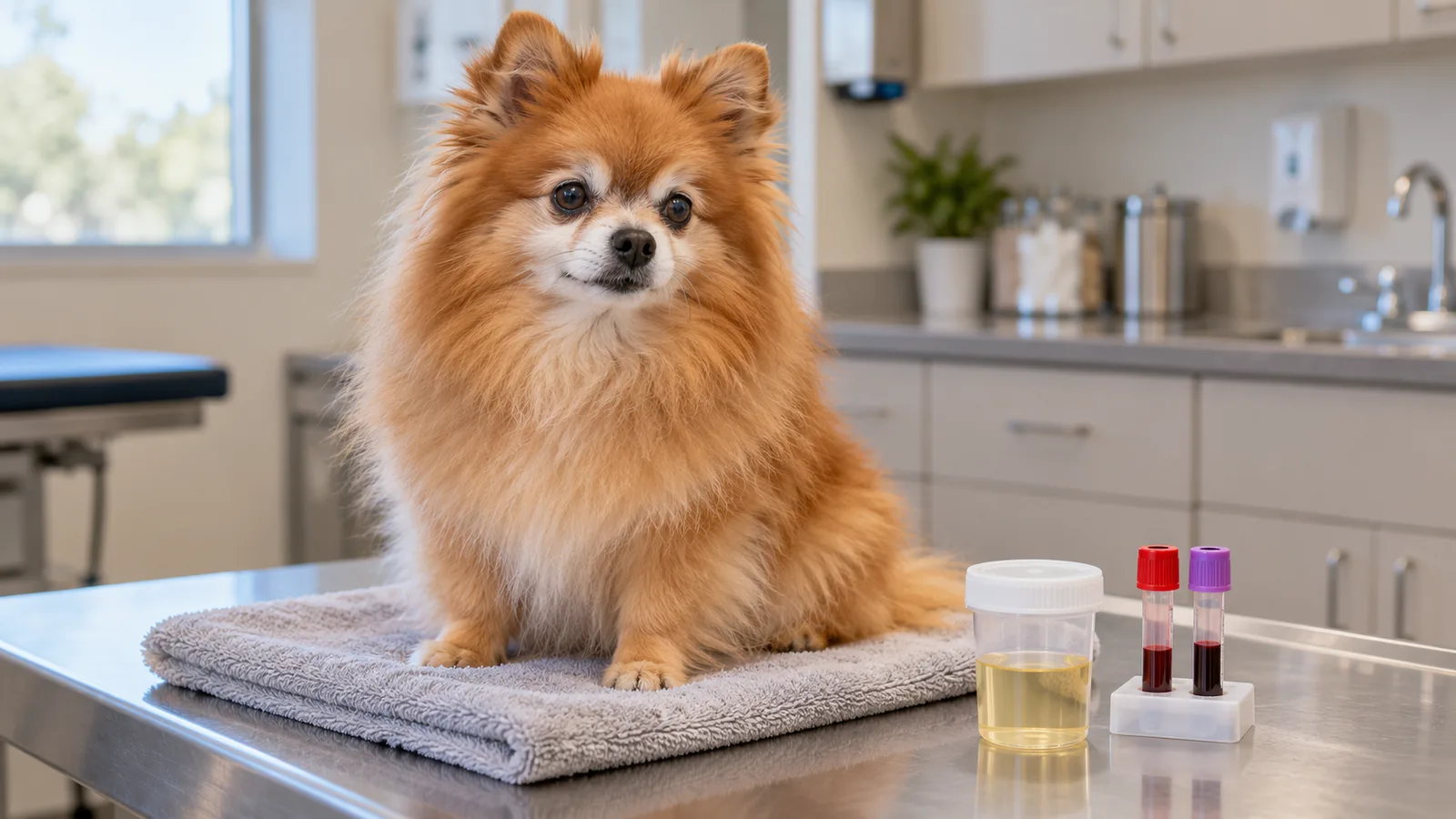
Blood work reads organ function while the outside still looks fine. One sample shows how the kidneys are filtering, whether the liver is under strain, whether red cells are low, how the thyroid is running, and whether blood sugar and electrolytes have drifted. A urine sample then reads the kidneys from a different angle, which is why we ask for both.
| Test | What it looks at | What it can catch early |
| Complete blood count | Red cells, white cells, platelets | Anemia, infection, inflammation, some blood cancers |
| Chemistry panel | Kidney and liver values, protein, blood sugar, electrolytes | Kidney and liver disease, diabetes, hormonal disease |
| Thyroid testing | Thyroid hormone levels | Low thyroid in dogs, overactive thyroid in cats |
| Heartworm and tick-borne testing | Parasite antigens and antibodies | Heartworm infection, Ehrlichia, Anaplasma, Lyme exposure |
When a senior dog or cat comes in sick, our on-site laboratory testing answers those same questions during that visit.
Urinalysis shows whether the urine is too dilute, whether protein is leaking through where it doesn't belong, and whether sugar, crystals, or bacteria are present. Urine that stays watery is often the earliest kidney signal there is, sometimes showing before the blood values move at all. Sugar points toward diabetes. Bacteria and white cells mean infection, which older dogs and cats can carry with no change in behavior. Crystals or blood raise the question of stones or bladder disease. A cat going in and out of the box without producing anything may be blocked, which can turn life-threatening within a day, so that's a phone call now rather than a sample dropped off tomorrow.
Why Does Blood Pressure Matter for an Older Dog or Cat?
High blood pressure shows nothing from the outside while it strains the kidneys, thickens the heart muscle, and can cause sudden blindness when the vessels behind the retina give out. It also rarely turns up on its own, which is why a high reading sends us looking for the cause rather than straight to a prescription.
The usual partners differ by species:
- Cats: kidney disease and an overactive thyroid are the common drivers.
- Dogs: kidney disease, Cushing's disease, and diabetes are more often behind it.
The reading itself is gentle: a small cuff on a leg or tail, a few quiet minutes, and several readings averaged together, since the first one in an unfamiliar room usually runs high. Treatment is typically a daily tablet alongside treatment for whatever is driving it, then a recheck to confirm the pressure is controlled.
Can Heart Disease Hide Behind a Normal Exam?
Plenty of senior hearts sound normal at an exam, especially in cats, and a murmur tells us something is there rather than how serious it is. Heart disease diagnosis comes from what follows: chest X-rays for heart size and fluid in the lungs, an NT-proBNP blood test for cardiac strain, and an ECG for rhythm. An echocardiogram, which is an ultrasound of the beating heart, shows how the valves and the muscle are working.
Which tests your pet needs depends on what we hear, what you've noticed at home, and what the chest X-rays show. We work up heart disease here, and when a case warrants a board-certified cardiologist, the results we already have go with you so the appointment starts further along.
When Is Imaging the Right Next Step for a Senior Pet?
Imaging comes next when the exam or the lab work raises a question a number can't settle. X-rays are usually the first look inside, outlining heart size, lung patterns, bladder stones, arthritic change in the hips and spine, and the general size and shape of the abdominal organs in a few minutes.
Ultrasound picks up where that stops, showing the inside of organs as they move: the texture of a liver, the wall of a bladder, the layers of an intestine, and fluid where there shouldn't be any. It can also find an adrenal gland too small to show on an X-ray. Our in-house ultrasound is what we reach for when a senior panel raises a question the X-rays can't answer.
A cough, a limp, a murmur, or weight loss with clean lab results usually starts with X-rays. A kidney value that keeps climbing, a liver enzyme that won't settle, or a mass we can feel through the belly wall generally calls for ultrasound. Quite often a senior gets both.
What Do Families Ask Us About Senior Testing?
My dog seems perfectly healthy. Can we skip the labs this year?
You can, and many families do, but a healthy-looking senior dog is exactly who screening was designed for. Kidney disease, low thyroid, and high blood pressure all let a pet look and act normal for a long time. Skipping a year also costs you the comparison, since this year's panel is most useful sitting next to last year's.
My cat is already fourteen. Is it too late for this to help?
Screening matters more at fourteen than it did at seven. Older cats carry more early kidney disease, more thyroid disease, and more high blood pressure than younger ones, and all three usually respond to a diet change or a daily tablet that makes a real difference in how a cat feels. Testing also tells us what's safe, which matters the first time your cat needs anesthesia or a new medication.
What if something changes between screenings?
Don't wait for the next visit. Drinking noticeably more, fast breathing at rest, straining in the litter box, or a new limp that doesn't ease all need to be seen rather than watched. So does a cat who hasn't eaten in 24 hours, because that alone can bring on liver trouble on top of whatever started it. We're open around the clock in Granada Hills, and because we take patients on a walk-in, triage basis and can close once we reach capacity, call before you come in.
Getting Your Senior Pet Screened in Granada Hills
Screening turns the question of which changes are just age into numbers we can read together, year over year. A kidney value we can watch rise is a far better starting point than a pet who has already stopped eating. If your dog or cat is seven or older, or something has changed that you can't explain, call us about a senior screening at Mission Veterinary Clinic in Granada Hills.