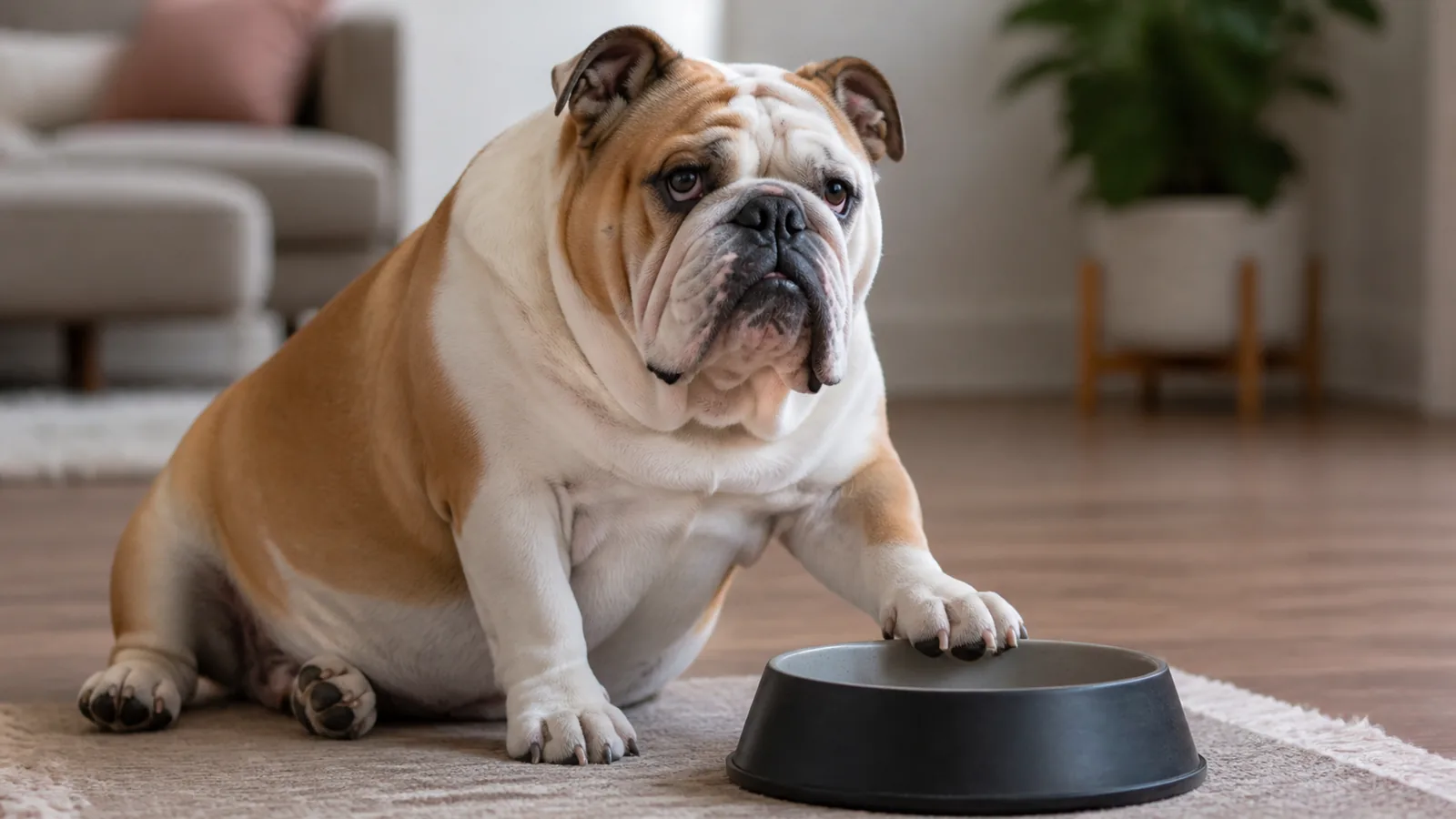
Calories that run too high or too low for months do real damage, and it builds slowly enough that you rarely see it happening. Extra calories push dogs and cats toward diabetes, urinary stones, sore joints, disc problems in the spine, high blood pressure, and poor tolerance for heat. Cutting calories too fast carries its own risk, especially in cats, where rapid weight loss can trigger a dangerous liver condition called hepatic lipidosis. More than half of dogs and cats in the US are overweight, usually from portions and treats that were never measured against a real target. That is why the fix starts with an accurate calorie number and a body condition score rather than a guess at the bowl.
Summer in the San Fernando Valley runs hot for months, and an overweight dog handles a 100-degree afternoon far worse than a lean one does. Mission Veterinary Clinic, AAHA accredited and here in Granada Hills, weighs your pet, scores their body condition, and sets a daily calorie target around their age, activity, and any conditions they already carry. If the extra weight has already caused problems, our X-rays, ultrasound, and lab work can find the joint damage, breathing trouble, or early diabetes behind it. If you are unsure how much your dog or cat should be eating each day, reach out to us and we will help you land on a real number.
Feeding Math Made Simple
- The feeding chart on the bag is written for an average pet, so it overshoots or undershoots most real dogs and cats.
- An online calculator gives you a starting point, not a final answer, because age, activity, spay or neuter status, and health conditions all move the target.
- Body condition scoring tells you more than the scale does, because the same number on the scale can hide very different mixes of fat and muscle.
- Weight loss should be slow, especially in cats, where dropping pounds too fast can trigger a serious liver problem.
What Does Extra Weight Actually Do to a Dog or Cat?
Extra weight shows up first as the things families blame on age: stiffness after a nap, a slower pace on walks, more panting than the weather explains. Underneath that, the same pounds are already working on joints, blood pressure, and the way the body handles sugar, usually years before anything looks like a diagnosis.
- Blood sugar: Extra fat makes cells less responsive to insulin, and diabetes mellitus turns up far more often in overweight pets than lean ones, with some cats regaining normal blood sugar control after the weight comes off.
- Joints and spine: Every added pound loads hips, knees, and elbows built for a lighter frame, so arthritis arrives earlier than it needed to. Long-backed breeds like Dachshunds and Corgis also face higher odds of intervertebral disc disease, where a cushioning disc between vertebrae bulges or ruptures against the spinal cord.
- Urinary tract: Heavy pets move less, drink less, and hold urine longer, a combination that favors urinary stones and the painful straining that comes with them.
- Heart and vessels: Excess body fat is linked to systemic hypertension, meaning blood pressure high enough to quietly damage kidneys, eyes, and the heart itself.
- Heat: Body fat insulates like a winter coat and makes panting less efficient, so an overweight dog on a warm Granada Hills afternoon reaches heat stroke on a walk a lean dog would finish comfortably.
Most of this responds to a modest, steady loss, and dogs who drop even a small percentage of body weight move better within weeks.
When Does a Weight Change Need a Vet Visit Instead of a Diet?
Weight that moves on its own, up or down, without any change in the bowl deserves a look before a new feeding plan goes in. Thyroid disease, early diabetes, digestive trouble, dental pain, and arthritis all change what a pet eats and what they burn, and a diet layered on top of an untreated problem rarely holds. Weight that falls without a diet change is the more worrying direction, especially in an older cat, where hyperthyroidism, diabetes, and kidney disease are common reasons.
An exam plus bloodwork and imaging sorts most of this out quickly. Pain is easy to overlook here. A dog who hurts doesn't move, and a dog who doesn't move burns almost nothing, so treating arthritis often does more for the waistline than cutting the kibble does.
Cats need a slower hand than dogs. Safe weight loss for cats means shedding at most one or two percent of body weight in a week, slow enough that most overweight cats need six months to a year to reach a goal weight. Rushing it is dangerous. A cat who stops eating for two or three days can develop hepatic lipidosis, a condition where fat floods a liver that cannot process it fast enough, and it becomes life-threatening within days.
Two hard rules at home. Never cut a cat's food by half and wait to see what happens. Never let any pet go a full day without eating while a new diet is underway. Call us before you come in, and we'll tell you whether this is a today problem or a Tuesday problem.
Why Doesn't the Feeding Chart on the Bag Work for Every Pet?
The chart on the bag is written for a pet in the middle of the range, and almost no dog or cat sits there. A number printed on the bag is not the same as how much to feed, since life stage, activity level, spay or neuter status, and current body condition can move a daily target by a third or more in either direction.
Food also carries more energy than it looks like it does. A single cup of a rich kibble can run past 450 calories, while a ten-pound cat needs somewhere around 200 for the entire day. That's the whole day in less than half a cup.
Calories tell you how much to feed, not how good the food is. Protein protects muscle while fat comes off, which matters more with every year a pet ages. Gram for gram, dietary fat packs over double the calories of protein or carbohydrate, so a spoonful of oil or a fatty topper moves the total fast.
How Do I Tell If My Dog or Cat Is at a Healthy Weight?
Put your hands on the ribs, then look down from above and in from the side. Body condition scoring uses a nine-point scale; the 4-to-5 sweet spot means you can feel ribs under a thin layer of fat, see a waist from above, and find a tuck in the belly from the side.
| Score | From above and the side | Under your hands |
| 1 to 3, too thin | Ribs, spine, and hips visible from across the room; sharply tucked belly | Bone with barely any cover |
| 4 to 5, ideal | Obvious waist behind the ribs; belly tucks upward | Ribs found with light pressure under a thin layer |
| 6 to 7, overweight | Waist fading or gone; belly runs flat or sags | Ribs take real pressure to find |
| 8 to 9, obese | No waist at all; fat over the hips and tail base | Ribs hard to locate through the padding |
A cat who weighs exactly the same at every visit can still be trading lean muscle for fat, and that shift changes what her body needs long before the scale reacts. That's why we score condition and muscle mass at exams instead of writing down a weight and moving on.
Check at home monthly, and use your hands, not your eyes. Long coats hide everything. If your pet is fluffy, ask us to run through it with you at the next exam and we'll show you where to press and what a 5 feels like on your own dog or cat.
Can an Online Calorie Calculator Tell Me How Much to Feed?
A calorie calculator turns current weight, goal weight, and calories per cup into a daily feeding number in about a minute, though it assumes a healthy adult with average activity and no medical conditions. Treat what it gives you as a hypothesis to test, then adjust from what you see. Puppies, kittens, and pregnant or nursing pets are the exception, since they need more calories rather than fewer and shouldn't be put on any restriction plan without talking to us first.
- Gather three things first: a current weight, a body condition score, and the calories per cup printed on the bag, usually in fine print near the guaranteed analysis.
- Run it twice: once for meals only, once holding back about ten percent of the total for treats.
- Measure the portion: an actual measuring cup or, better, a kitchen scale in grams. A coffee mug or the scoop from the bin can be off by half a cup without anyone noticing.
- Recheck every two to four weeks: weigh, re-score, and move the number roughly ten percent either way rather than making a dramatic cut.
Needs shift with the calendar too. A number that fit in February can be too generous by August, when the heat cuts walks short and the yard time drops off. Our veterinarians adjust targets as pets age, slow down, or start a medication that changes appetite.
Where Are the Extra Calories Hiding?
The gap between a measured plan and a pet who keeps gaining is almost always treats. One large dental chew, a slice of cheese, and a handful of training rewards can add up to a quarter of a small dog's daily intake, which makes calories in treats the most common reason a carefully measured plan quietly stops working.
| The extra | Roughly | For a 20-pound dog (about 400 calories a day) |
| One large dental chew | 70 to 125 | Up to a third of the day |
| One ounce of cheddar | 115 | Nearly a third |
| One tablespoon of peanut butter | 95 | About a quarter |
| Half a hot dog | 75 | Almost a fifth |
| Five small training treats | 25 to 50 | Up to an eighth |
Scale that down for cats and it gets uncomfortable. That single ounce of cheddar is more than half a ten-pound cat's entire day. The other quiet culprit is arithmetic nobody is doing: you gave a chew after breakfast, your partner gave two on the way out, and your teenager has been sneaking food under the table at every meal.
Swaps fix most of it, because pets respond to the moment and the attention, not the calorie count. Green beans, baby carrots, cucumber slices, and plain air-popped popcorn work for most dogs. Cats do fine with a few pieces of their own kibble or a flake of plain cooked chicken. If the math still isn't adding up after a month of honest tracking, weight management is worth a conversation with us.
A Simple Way to Budget Treats Each Day
Measure the entire daily portion into one container in the morning. Treats come out of that container all day, and whatever's left goes into the bowl at dinner. It works because the limit is visible: anyone in the house can see what's left, so a generous grandparent can hand out kibble all afternoon without wrecking the plan.
How Do We Keep the Plan Working as Your Pet Changes?
Feeding plans age the way pets do. What fit a four-year-old Lab in winter won't fit that same dog at nine, so healthy adults should be weighed and scored at least once a year and seniors twice, which catches a drift of a pound or two while it's still easy to correct.
Those same rechecks are where arthritis, thyroid disease, and dental pain get caught early, and all three change how a pet eats and moves.
When the food itself changes, go slowly. A diet transition goes best across seven to ten days, starting at roughly a quarter new food and shifting the ratio every couple of days until the bowl has fully changed over. If your pet turns their nose up, back off to the last ratio that worked and give it a few more days. A cat who refuses food entirely for more than about 24 hours needs a call, not patience.
Why a Prescription Weight-Loss Diet Beats Cutting Portions
Simply feeding less of a regular food cuts the protein, vitamins, and minerals right along with the calories. Therapeutic weight-loss diets are built to avoid that: they go through feeding trials showing pets lose fat while holding lean muscle, they carry a specific protein-to-calorie ratio, and they include added nutrients that support fat metabolism. Controlled fiber levels are what let one of these foods satisfy a pet on fewer calories, the difference between a dog who settles after dinner and one who follows you back into the kitchen.
Feeding as Enrichment for Dogs and Cats
Scattering a measured meal across the yard or loading it into a puzzle feeder stretches a ten-second gulp into fifteen minutes of work, and pairing that with a gradual calorie cut is what makes weight loss in dogs stick. A slow bowl does the same job for the dog who inhales dinner before you've put the scoop away.
Cats want the same thing in a different shape. Small, frequent portions match how they'd hunt, and food puzzles or a few kibble pieces placed on different levels of the house turn dinner into a reason to climb stairs. Some cats need a week of easy puzzles before they'll bother, and that's normal.
Frequently Asked Questions About Calorie Counting for Dogs and Cats
Is My Constantly Hungry Dog Actually Underfed?
Begging is a poor hunger gauge, especially in dogs who've learned it works. Check body condition instead: if the ribs are still hard to find, the portion is probably right and the behavior is habit. Adding volume without calories helps, so try a scoop of green beans stirred into meals, a higher-fiber food, or splitting the same daily amount into three or four smaller servings. A dog who's truly ravenous while losing weight is a different story and should be seen.
Should My Cat Lose Weight on Wet Food or Dry?
Both work, and the amount matters far more than the format. Canned food carries more water and fewer calories per mouthful, and portioned cans make measuring nearly foolproof. Dry food weighs out precisely on a gram scale and loads into puzzle feeders, which most cats need for enrichment. Many households do best with a mix. Whichever you choose, weigh or measure it rather than eyeballing, and count everything that isn't water toward the daily total.
How Do I Feed Two Pets Different Amounts in the Same House?
Separate them at mealtime, even if it's just two rooms and a closed door for fifteen minutes. Free-choice bowls make individual portions impossible, so pick food up after twenty minutes rather than leaving it down. Cats can eat on a counter or cat tree the dog can't reach, and microchip-activated feeders solve the stubborn cases. The dieting pet shouldn't have to watch the other one graze all day, which is half the battle.
Let's Find Your Pet's Real Number
The payoff isn't a number on a chart. It's the dog who beats you to the door again, and the cat who makes the jump to the windowsill she'd been studying from the floor. Saying no to a hopeful face is hard, and no one manages it perfectly, but measured portions and honest treat math add up faster than most families expect. Mission Veterinary Clinic is open around the clock in Granada Hills, so come in for a nutrition consultation and we'll build a target that fits your household instead of an ideal one. The doctors who build these plans would much rather hear from you early than treat your pet for an emergency that could have been avoided.