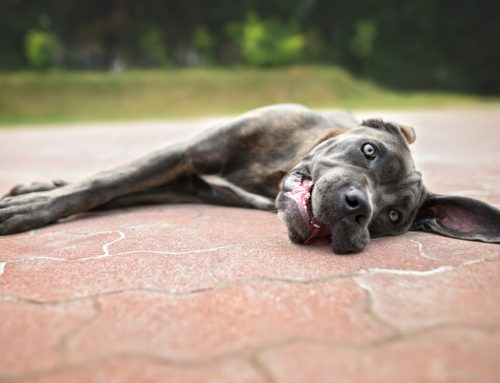
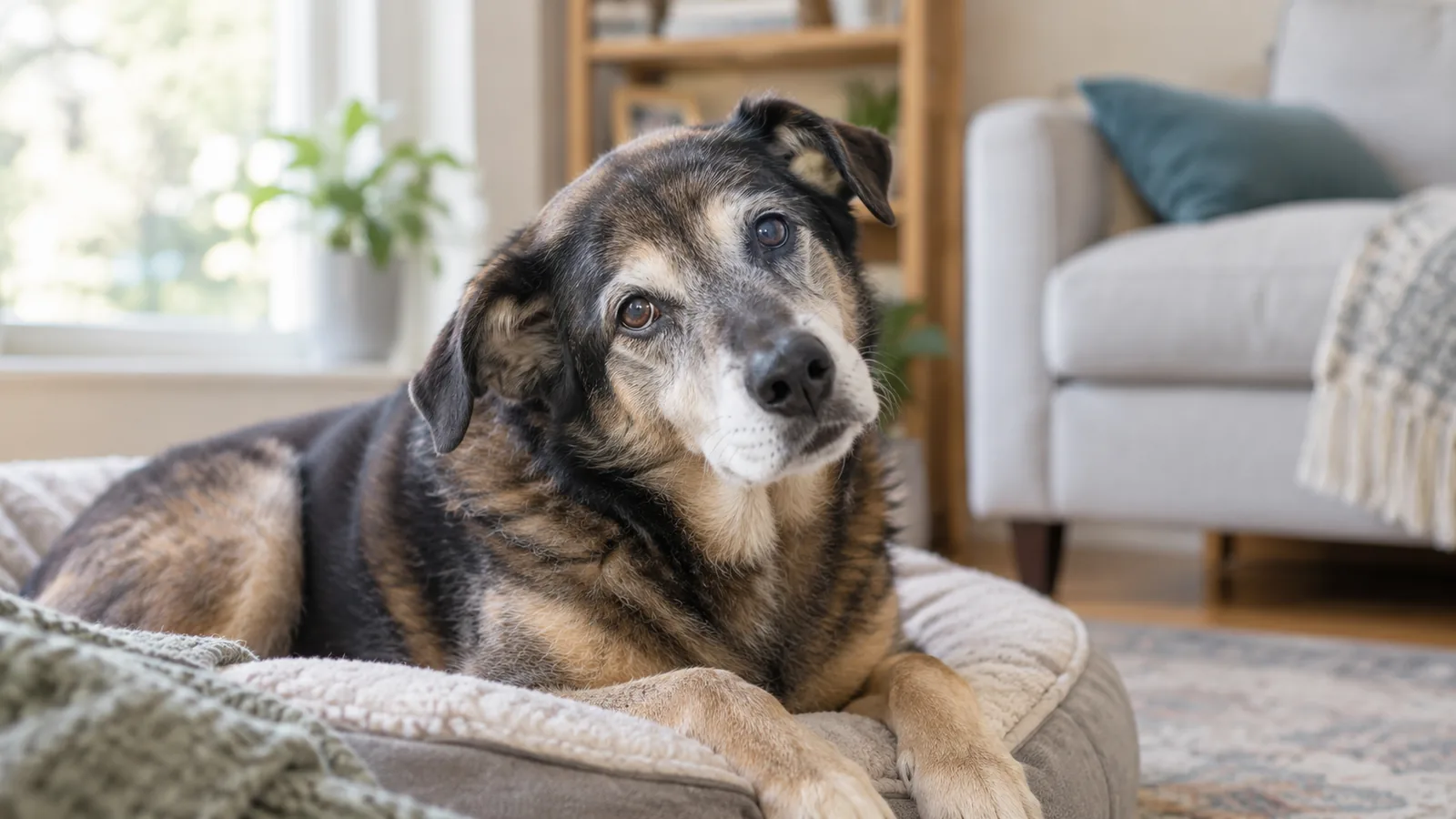
It’s one of the more startling things a pet owner can witness: your dog suddenly starts walking in circles, stumbles, or holds their head at a strange angle. They may look dizzy, confused—or like they’ve had one too many spins in a dog park merry-go-round. It’s natural to be concerned, and you’re right to take it seriously.
At Mission Veterinary Clinic in Granada Hills, CA, we often see dogs brought in for sudden-onset head tilts and balance issues. One common culprit? Vestibular disease, a condition that affects your dog’s sense of balance. While it can look dramatic (and scary), many forms of vestibular disease are treatable and manageable. Let’s explore what it is, what causes it, and how we can help your dog get back on their feet—literally.
What Is Vestibular Disease in Dogs?
Vestibular disease is a disorder of the vestibular system, which controls balance and spatial orientation. This system includes structures in the inner ear and brain that help your dog understand their position in space. When something disrupts this system, it causes symptoms like:
- Head tilt
- Stumbling or falling
- Circling
- Nystagmus (rapid eye movement)
- Nausea or vomiting
- Reluctance to stand or walk
The condition can affect dogs of all ages, but it’s especially common in older dogs, leading to the term “old dog vestibular syndrome.” According to the American Kennel Club (AKC), this syndrome often has no known cause and resolves with supportive care over time.
Common Causes of Vestibular Disease
While idiopathic vestibular disease (no identifiable cause) is common, it’s far from the only possibility. At Mission Veterinary Clinic, our job is to identify what’s behind your dog’s symptoms so we can tailor treatment accordingly.
Here are some of the most common causes:
1. Ear Infections
A deep inner or middle ear infection (otitis media or interna) can severely affect balance. Dogs with chronic external ear infections are more prone. The American College of Veterinary Surgeons (ACVS) outlines how untreated otitis externa can progress to more serious inner ear disease.
The Merck Veterinary Manual provides further details on how middle and inner infections impact the vestibular system and why prompt treatment is essential.
2. Nasopharyngeal Polyps
Benign growths in the middle ear or Eustachian tube can press on nerves involved in balance. These are more common in cats, but some dogs may develop them too. Learn more about how polyps form and how they’re removed from the ACVS resource on nasopharyngeal polyps.
3. Brain Tumors
In older dogs, vestibular signs can be an early indication of a neurologic condition, including tumors. According to NC State’s Veterinary Hospital, tumors affecting the cerebellum or brainstem often cause head tilt, loss of coordination, and abnormal eye movement.
4. Strokes
Although strokes in dogs are less common than in humans, they can cause sudden vestibular signs. The American Animal Hospital Association (AAHA) explains that strokes may result from bleeding, clots, or other vascular issues and typically appear without warning.
5. Hypothyroidism
Yes, low thyroid hormone levels can affect balance. Cornell University notes that hypothyroidism may lead to weakness, head tilt, or nerve dysfunction, especially in middle-aged and older dogs.
6. Foxtail Migration
Foxtails—those pesky seed awns common in Southern California—can burrow into the ear canal and lead to severe inflammation or secondary infection. UC Davis Veterinary Medicine describes how these invaders can cause long-term damage if not removed promptly. While they don’t directly cause vestibular disease, they can cause a headtilt.
Diagnosing Vestibular Disease at Mission Veterinary Clinic
Every case starts with a thorough neurological and physical exam. We may recommend additional diagnostics to pinpoint the cause:
- Ear exam with otoscope
- Bloodwork and thyroid testing
- Advanced imaging (MRI or CT)
- Cerebrospinal fluid (CSF) analysis if a brain condition is suspected
Our full suite of veterinary services ensures your pet has access to diagnostics, treatment, and follow-up care all in one location.
Treatment Options: What You Can Expect
Treatment depends on the underlying cause, but here’s a general idea of how we manage vestibular disease:
Cause | Treatment | Prognosis |
Idiopathic (old dog) | Supportive care, anti-nausea meds | Good (improvement in days to weeks) |
Ear infection | Antibiotics, anti-inflammatories, sometimes surgery | Good with treatment |
Brain tumor | Referral, palliative care, or surgical intervention | Varies based on tumor type |
Stroke | Supportive care, monitoring | Guarded to fair |
Foxtail or foreign body | Removal under sedation, antibiotics | Good with early intervention |
Hypothyroidism | Daily thyroid hormone replacement | Excellent with consistent therapy |
Dogs with idiopathic vestibular disease often recover well, even though the symptoms can appear severe. That said, any signs of imbalance or head tilt should prompt a veterinary exam.
Common Questions About Vestibular Disease
Is vestibular disease painful for dogs?
Most dogs are not in pain, but they are often disoriented and may experience nausea. Supportive care and anti-nausea medications can make recovery more comfortable.
Will the head tilt go away?
Sometimes, but not always. Many dogs retain a slight head tilt even after recovery. It usually doesn’t affect their quality of life.
Can vestibular disease happen more than once?
It’s rare but possible. Dogs with recurring symptoms should be evaluated thoroughly to rule out chronic or progressive neurologic disease.
When to See a Veterinarian
If your dog suddenly shows signs of imbalance, loss of coordination, or a tilted head, it’s time to act. These signs may be related to a temporary, treatable condition—or they may signal something more serious. Either way, prompt evaluation gives your pet the best chance of recovery.
Our team at Mission Veterinary Clinic in Granada Hills understands how unsettling these symptoms can be. We’re here to provide compassionate, skilled care for your dog and clear guidance for you.
If your dog is showing signs of vestibular disease or any neurological issues, contact us today to schedule an appointment. Let’s get your dog back on stable ground.